
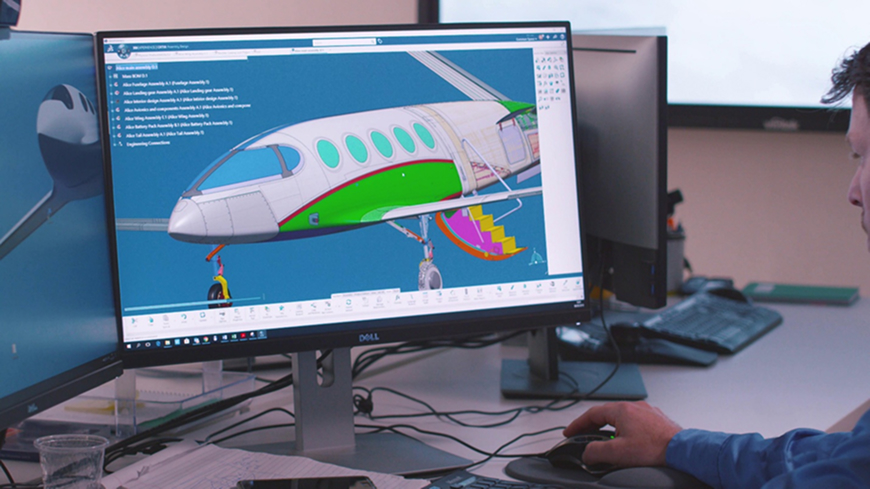
An engineering model contains far more than geometry. An aircraft assembly can encode thousands of components, relationships, materials, metadata, and design details. Yet engineers still interact with much of this information through interfaces designed primarily for manual navigation.
That creates an interesting gap between the amount of information a digital model contains and how easily an engineer can access it.
Artificial Intelligence could begin to close that gap.
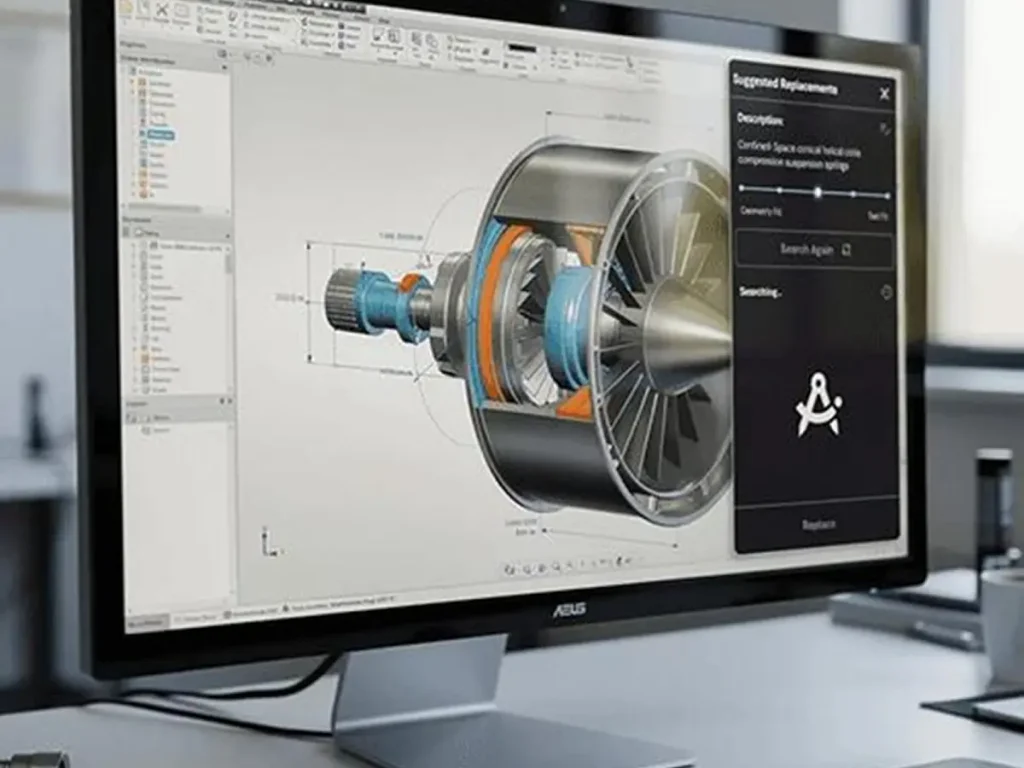
Instead of treating the engineering model as something an engineer simply opens, searches, and inspects, AI could become another way of interacting with it. An engineer could ask about a component, trace its relationship to other parts, compare revisions, or explore a complex assembly without manually navigating through every layer of the model.
Can AI Understand a CAD Model?
A CAD model is not simply a collection of surfaces rendered on a screen. It can contain geometry, assembly hierarchy, component relationships, metadata, materials, coordinates, and other information that describes how a product is structured.
For AI to work meaningfully with engineering models, it needs access to this structured information rather than treating the model as a single image. Recognizing the shape of a component is one thing. Understanding that it represents a specific part, knowing where it sits within an assembly, identifying its relationships with other components, and using that information within an engineering workflow are much more complex tasks.
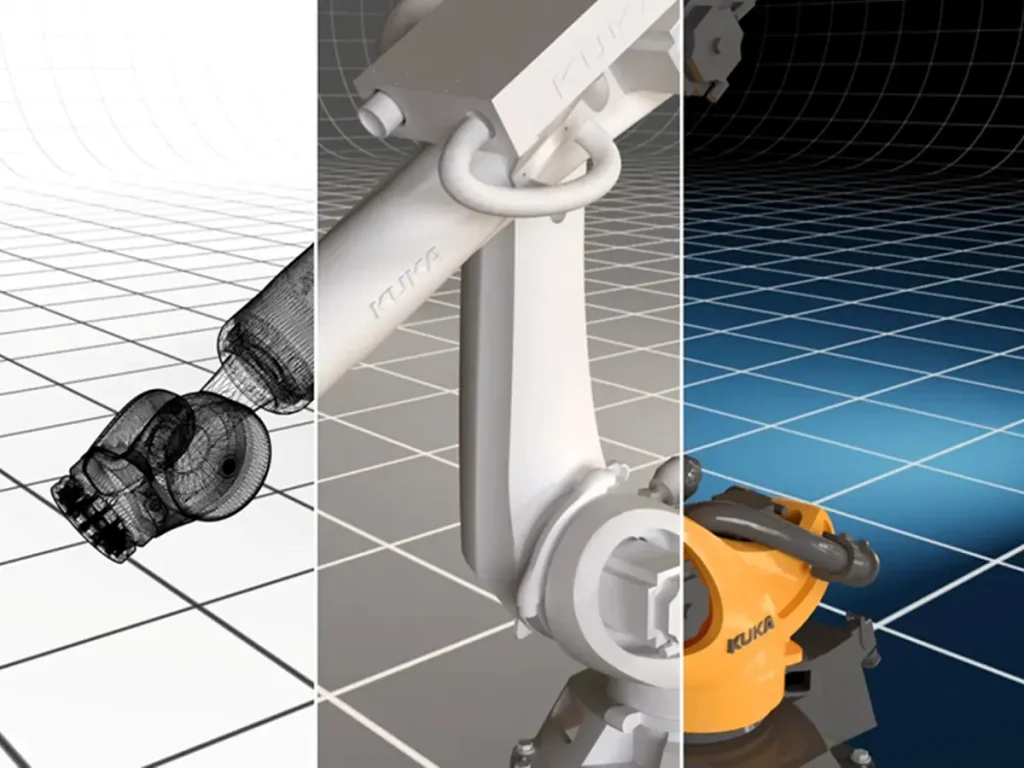
This creates an important distinction between seeing a 3D model and understanding the information represented by a 3D model.
Connecting AI with 3D Engineering Data
OpenUSD provides an open framework for describing, composing, and working with complex 3D scenes. Its scene representation can capture hierarchy, relationships, assets, and other structured information that applications can work with. NVIDIA is already developing AI capabilities around this ecosystem. Its USD Code can answer OpenUSD questions, generate Python-USD code from natural-language instructions, and, in an Omniverse Kit environment, modify an existing USD stage based on natural-language instructions.
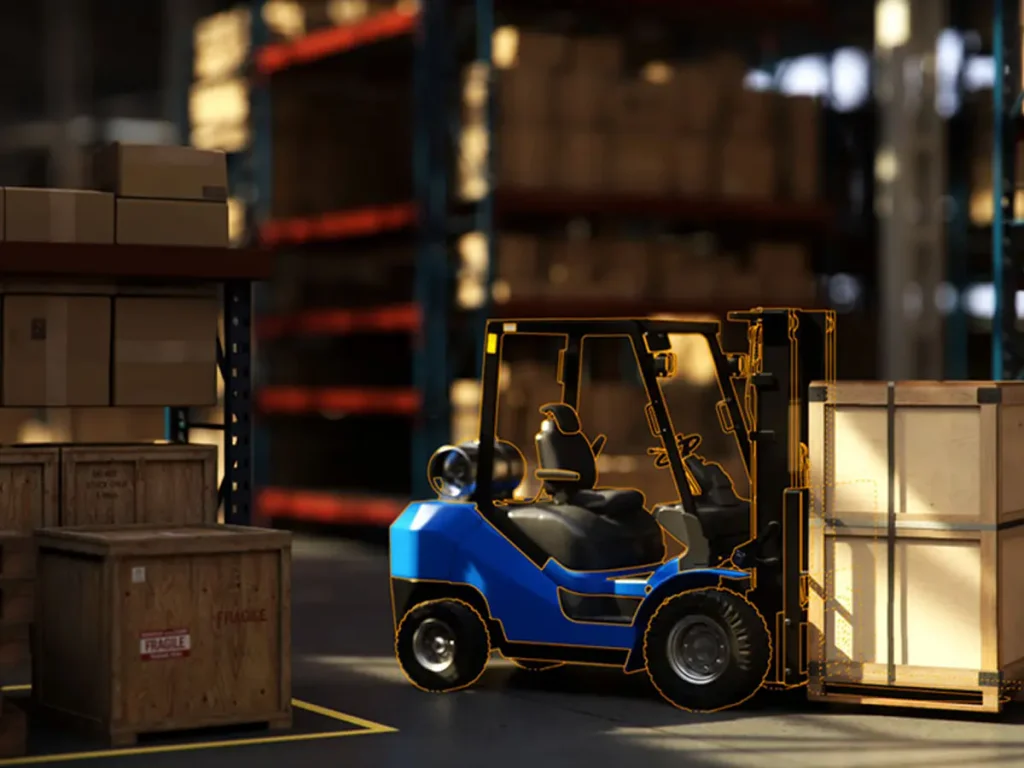
NVIDIA is also expanding Omniverse libraries for AI-agent workflows, including tools that help agents work with 3D content and simulation-ready environments.
These developments point toward a broader shift: AI is beginning to work with structured 3D environments rather than simply generating content around them.
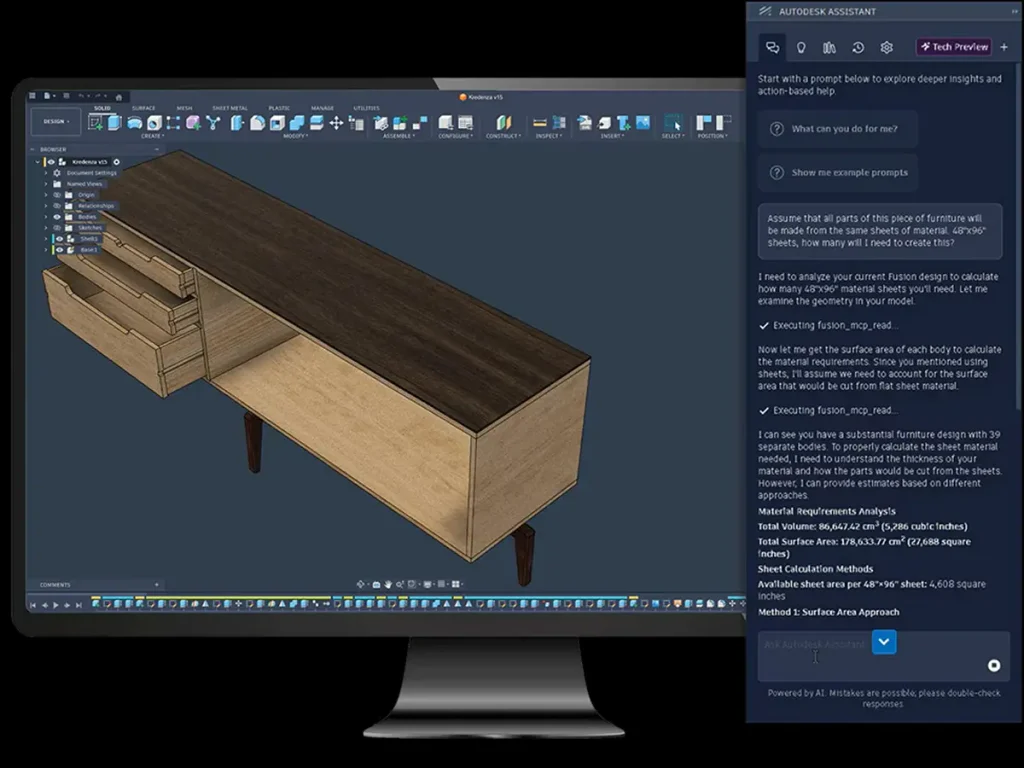
AI + XR: A Different Kind of Design Review
XR already allows engineers to examine products at 1:1 scale, explore complex assemblies, and collaborate within a shared virtual environment. Adding AI to that environment creates another possibility.
An engineer could use an AI system to identify a subsystem, locate a component, retrieve relevant information, or help navigate a complex assembly.
The same approach could eventually extend to engineering operations. When an AI agent is connected to structured CAD capabilities, it could assist with creating or modifying geometry within the engineering environment.
XR can therefore become more than a visualization layer. It can provide an interface through which engineers interact with both the 3D model and the intelligent services connected to it.
What Could an Engineering AI Copilot Do?
Model Exploration
AI could help engineers locate components, navigate large assemblies, and retrieve relevant information without manually searching through complex model hierarchies.
Design Comparison
AI could assist in identifying and visualizing differences between design revisions, making it easier to understand what has changed.
AI-Assisted CAD Operations
When connected to appropriate CAD operations, AI agents could assist with creating or modifying parametric geometry based on defined engineering instructions.
Visualization Assistance
AI can also support visualization workflows by interpreting available component information and helping determine suitable materials and rendering settings for engineering models.
Design Review Support
An AI copilot could help retrieve information, capture observations, and support documentation during reviews, reducing repetitive work around the review process.
How AeroSync Is Exploring AI
At AeroSync, we are exploring how AI can become part of the immersive engineering workflow through SyncXR.
One area of development is AI-driven parametric CAD creation. SyncXR provides features that allow an AI agent to work with structured CAD operations and create or modify parametric geometry directly on the live USD stage.
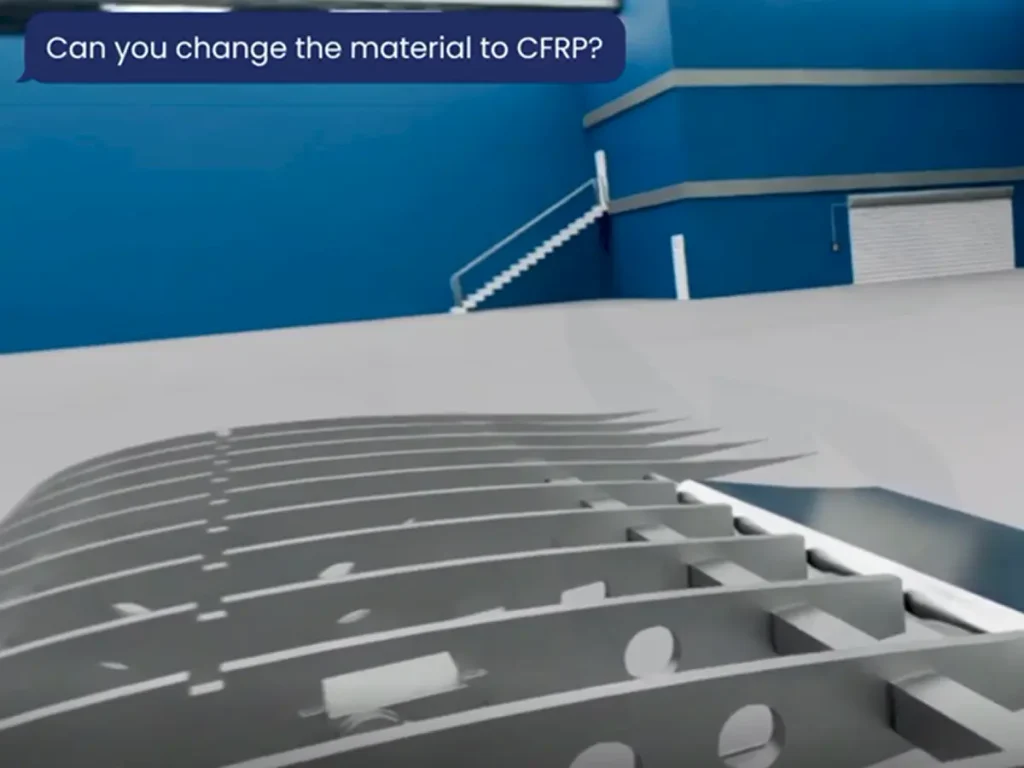
We are also exploring AI-assisted visualization of engineering models. Engineering CAD often arrives primarily as geometry, without the materials and visual treatment required for realistic presentation. SyncXR can use available component information to assist with material inference and rendering workflows, helping create more realistic digital representations.
The Role of the Engineer
AI does not remove the need for engineering judgment.
Engineering decisions depend on requirements, constraints, safety considerations, simulation results, physical testing, regulations, and domain experience. AI can assist with navigating information and working with models, but engineers remain responsible for evaluating the results.
The value of an engineering copilot is therefore not necessarily to make decisions on behalf of engineers. It is to reduce the effort required to find information, explore models, and perform repetitive tasks. The objective is to make engineers more effective.
The Future of Engineering Design Reviews
CAD gave engineers a way to create and modify digital products.
3D visualization gave them a way to see those products.
XR is giving them a way to experience and interact with them at full scale.
As engineering models become more structured and AI becomes increasingly capable of working with 3D data, the role of AI in engineering could move beyond answering questions or automating isolated tasks. It could become part of the design environment itself. The AI copilot may still be an emerging concept, but the convergence of CAD, OpenUSD, AI, and XR is creating the foundation for a more connected and interactive approach to engineering design.

Leave A Comment