
Digital Transformation
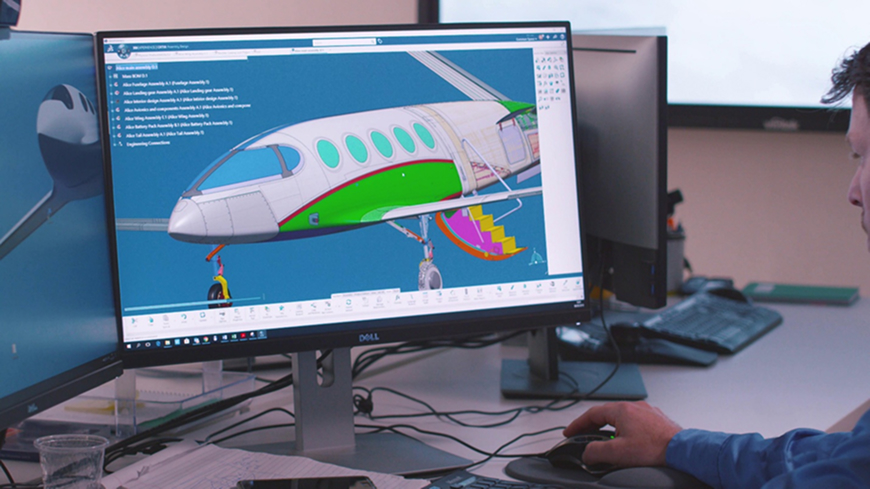
The AI Copilot for Engineering Design Reviews
An engineering model contains far more than geometry. An aircraft assembly can encode thousands of components, relationships, materials, metadata, and design details. Yet engineers still interact with much of this information through interfaces designed primarily for manual navigation. That creates an interesting gap between the amount of information a digital model contains and how easily […]
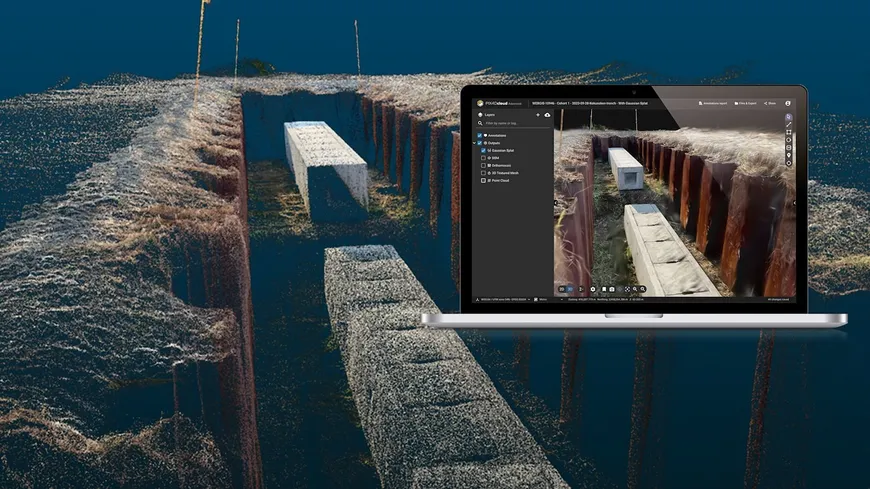
Capturing Physical Objects to Digital 3D Render in Different Techniques
The physical and digital worlds are becoming increasingly connected. From digital twins and immersive environments to virtual prototyping and simulation, there is a growing need to bring real-world objects into digital space. But converting a physical object into a useful 3D representation is not as simple as pointing a camera at it and generating a […]
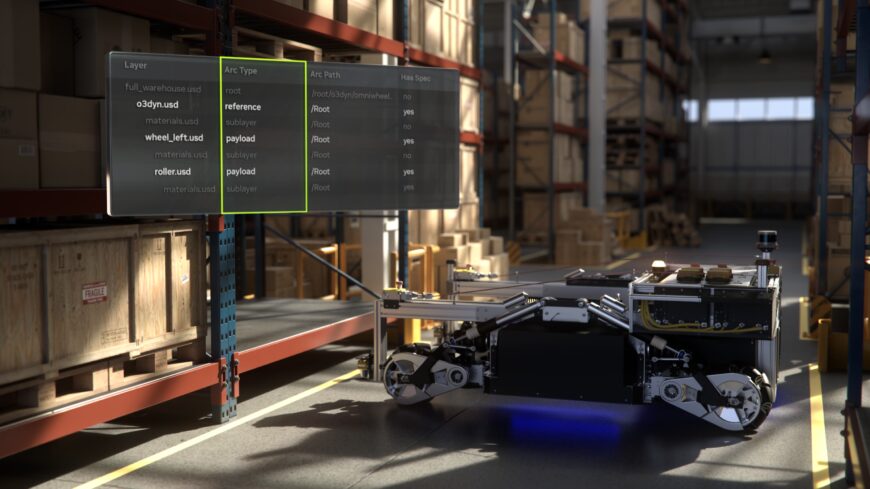
Beyond CAD: How OpenUSD Enables the Next Generation of Design in Aerospace
The aerospace industry is undergoing a rapid digital transformation. Aircraft, satellites, drones, and next-gen air mobility vehicles are becoming increasingly complex, requiring engineering teams to collaborate across multiple disciplines, organizations, and software ecosystems. While Computer-Aided Design (CAD) has been the foundation of product development for decades, today’s engineering workflows extend far beyond creating geometry. Design […]

The Transformative Impact of Virtual Prototyping in Aerospace & Defence
As industries increasingly embrace digital transformation, the concept of digital twins has emerged in sectors such as defence and aviation. A digital twin is a virtual representation of a physical asset, system, or process that is .updated in real-time with data from the physical counterpart. Building on this technology, virtual prototyping — the creation of digital […]
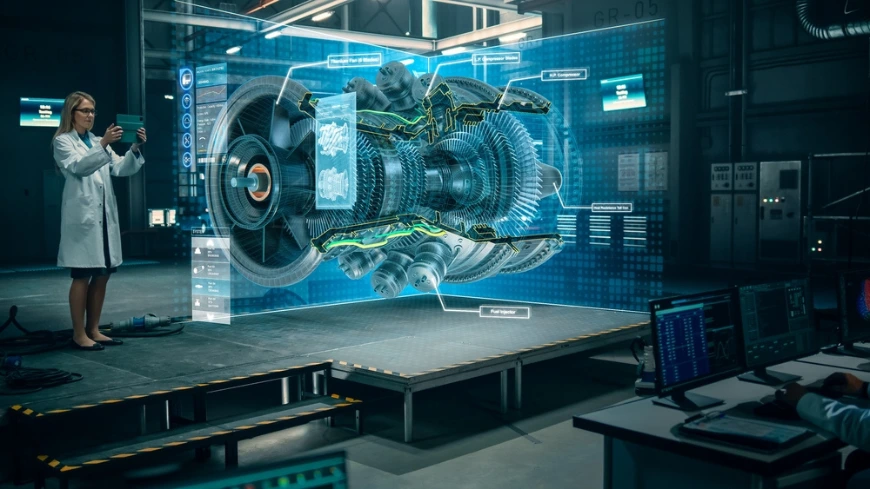
Driving Innovation: Digital Transformation in Aerospace and Defense Industry
The aerospace and defense (A&D) industry has always been at the forefront of innovation, a testament to humanity’s drive to explore the skies and beyond. Today, this industry stands at a pivotal moment where digital transformation is not merely an option but a necessity for navigating a landscape shaped by rapid technological advancements, supply chain […]