
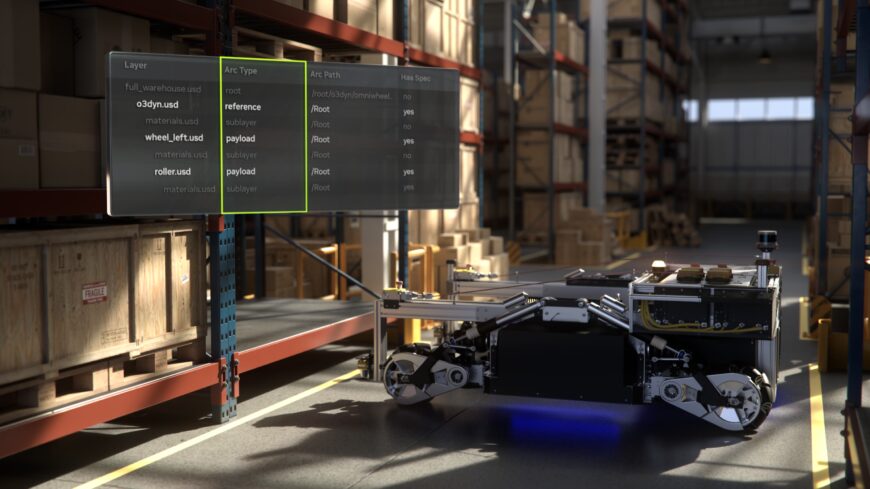
The aerospace industry is undergoing a rapid digital transformation. Aircraft, satellites, drones, and next-gen air mobility vehicles are becoming increasingly complex, requiring engineering teams to collaborate across multiple disciplines, organizations, and software ecosystems.
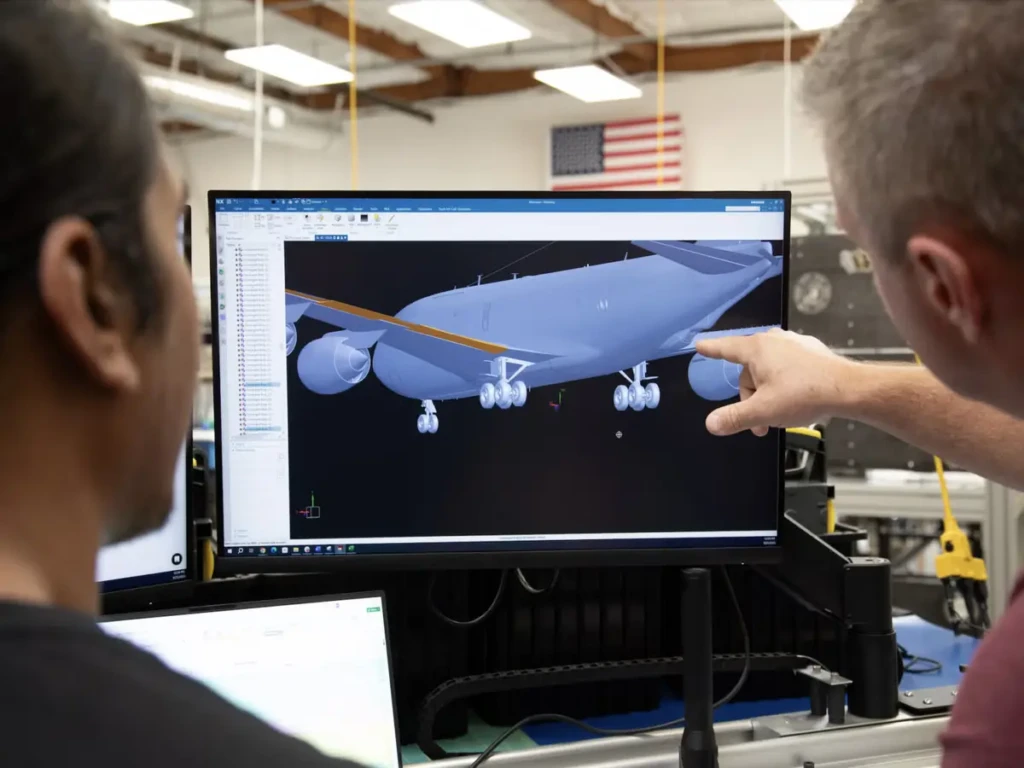
While Computer-Aided Design (CAD) has been the foundation of product development for decades, today’s engineering workflows extend far beyond creating geometry. Design data now flows through simulation, manufacturing planning and design reviews and validation. The challenge is ensuring that every team works from the same source of truth without constantly converting, duplicating, or losing valuable engineering information.
This is where OpenUSD (Open Universal Scene Description) is changing the way engineering data is managed and shared.
The Challenge with Modern Engineering Workflows
Aerospace programs rarely rely on a single platform. Design engineers may use Siemens NX or CATIA, analysts work with CAE tools, planning engineers use digital operational tools, while visualization teams require high-performance rendering platforms.
As a result, teams commonly face challenges such as:
- Repeated file conversions between different software platforms
- Loss of assembly hierarchy and metadata
- Duplicate copies of engineering models
- Vendor-specific workflows that limit interoperability
- Difficulty collaborating across distributed teams
As products become larger and more complex, these disconnected workflows introduce unnecessary complexity into the development process.
What is OpenUSD?
Originally developed by Pixar Animation Studios, OpenUSD is an open framework for describing, organizing, and exchanging complex 3D scenes.
Unlike traditional file formats that simply store geometry, OpenUSD captures object hierarchy, materials, metadata, references, lighting, animations, and relationships between components.
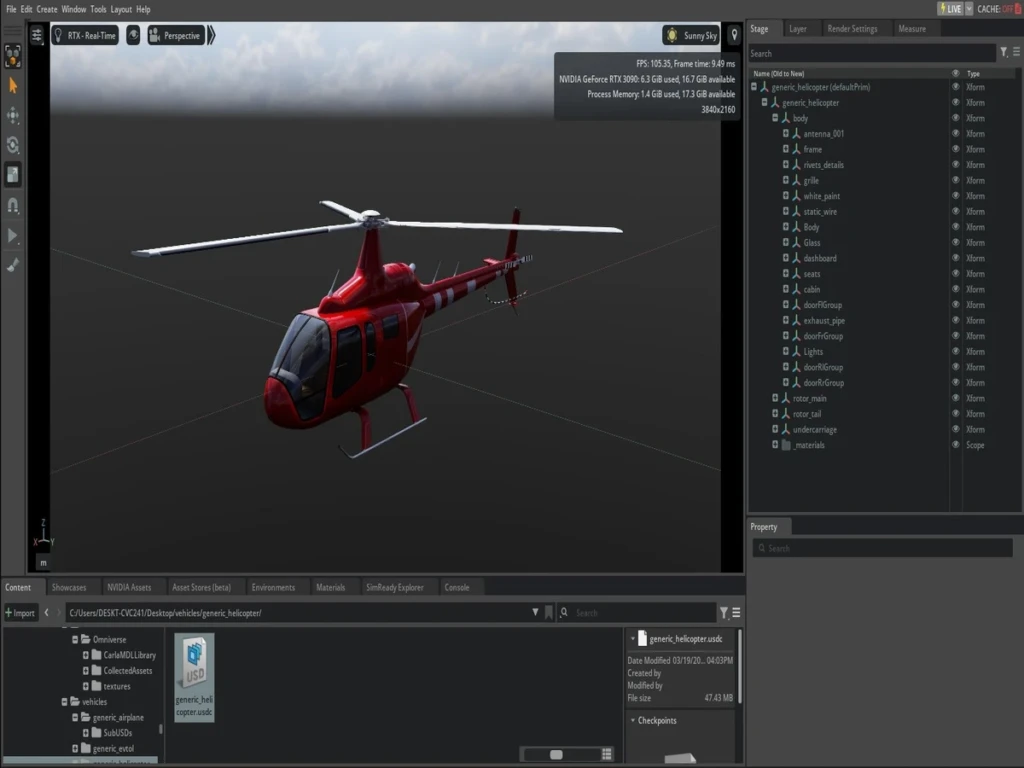
More importantly, it enables multiple applications to work with the same data without requiring teams to rebuild or duplicate models for every workflow.
Rather than replacing existing CAD software, OpenUSD acts as a common language that connects engineering tools throughout the product lifecycle.
Why OpenUSD Matters for Aerospace
Seamless Collaboration Across Teams
Aircraft development involves mechanical, structural, manufacturing, quality, and program management teams, all working toward the same objective.
OpenUSD enables these teams to contribute to a shared engineering scene without modifying the original design data. Engineers can add annotations, visualization settings, review comments, or simulation outputs while maintaining a single source of truth.
This significantly improves collaboration across departments and external suppliers.
Handling Large Engineering Assemblies
Modern aerospace products consist of thousands of interconnected components. Managing these large assemblies efficiently has always been a challenge, especially when transferring data between applications.
OpenUSD uses a composition-based architecture that references assets rather than duplicating them, making it easier to organize and visualize complex engineering models while maintaining performance.
Building Interoperable Engineering Pipelines
Digital engineering no longer ends with CAD. Today’s workflows integrate simulation, manufacturing planning, design validation, AI, and immersive technologies. OpenUSD provides the foundation that allows these systems to exchange information while preserving engineering context.
This interoperability reduces friction between tools and helps organizations build more flexible, future-ready engineering workflows.
OpenUSD and Immersive Engineering
One of the most impactful engineering applications enabled by OpenUSD is immersive design review.
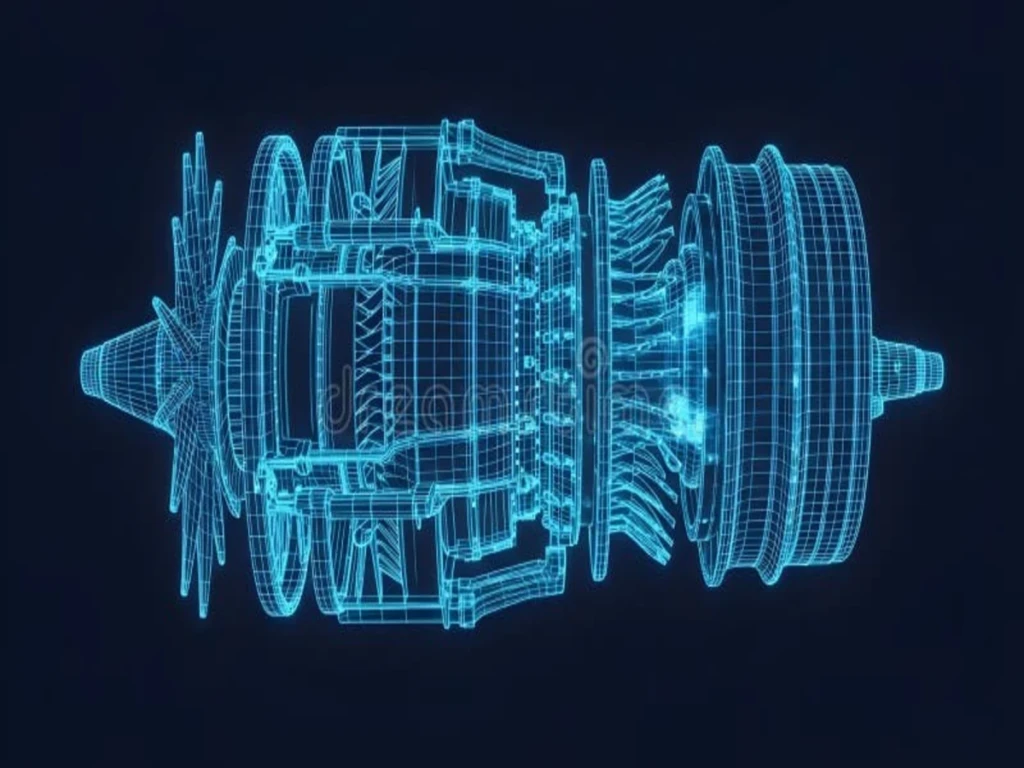
When engineering data is represented using OpenUSD and visualized through platforms such as NVIDIA Omniverse, teams can inspect products at true 1:1 scale, explore complex assemblies in real time, and collaborate within shared virtual environments while preserving scene hierarchy, relationships, and associated engineering metadata.
Immersive engineering is not about replacing traditional CAD tools; it is about extending engineering workflows into environments where spatial understanding, collaboration, and design validation become significantly more intuitive.
How We at AeroSync Leverage OpenUSD
We believe the future of engineering design and review lies in connected and immersive workflows.
As an NVIDIA Inception Program startup, we’ve had the opportunity to build SyncXR on NVIDIA Omniverse, a platform built around OpenUSD that enables scalable, collaborative 3D application development.
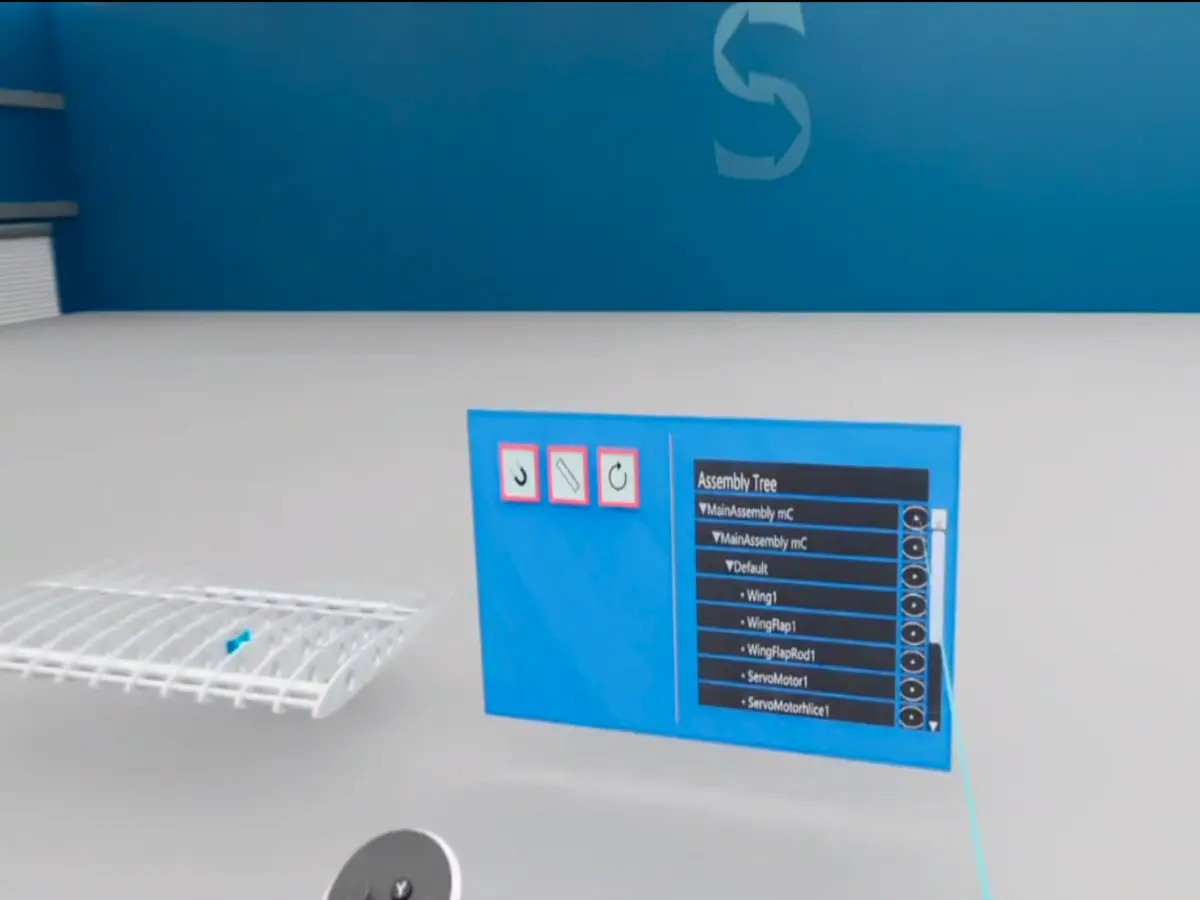
By leveraging OpenUSD within Omniverse, SyncXR transforms complex CAD assemblies into immersive engineering environments where teams can review products at true scale, collaborate remotely, and validate designs before physical prototypes are built.
Because OpenUSD preserves scene hierarchy and engineering context, design data remains consistent throughout the visualization and review process.
As aerospace products continue to grow in complexity, engineering teams need more than powerful design software; they need connected workflows.

Leave A Comment